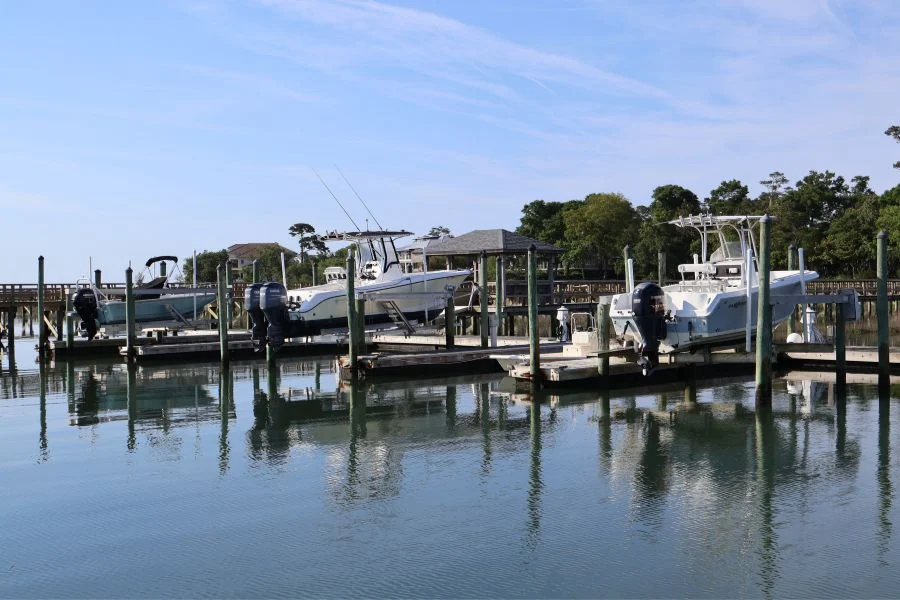
What to Do When Your Boat Lift Won’t Move
Published October 1, 2026
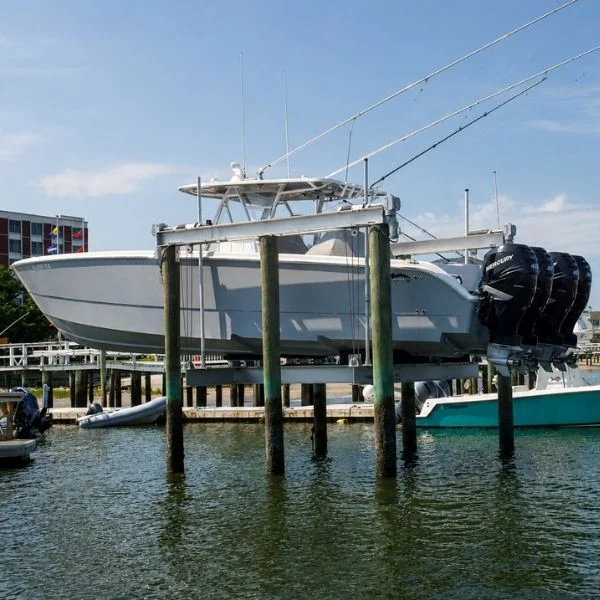
A boat lift is one of those things you count on every time you head to the water. When it works like it should, launching and storing your boat feels simple. When it suddenly will not move, starts clicking, hums without lifting, or gets stuck halfway, it can turn a normal day on the water into a frustrating one quickly.
For boat owners along the Wilmington coast, lift issues can be especially concerning. Salt air, tidal movement, heavy use, and coastal weather can all put extra strain on the system over time. The good news is that not every lift problem means a major repair is ahead. In some cases, the issue may be tied to power, a control, or another simple starting point.
When Your Boat Lift Stops Working, Don’t Force It
If your boat lift will not raise or lower, the first thing to remember is simple: do not keep holding the switch down or repeatedly trying to run the lift. A lift that is clicking, humming, or straining may already be dealing with an electrical or mechanical issue. Forcing it to move can make the problem worse and may put added stress on the motor, cables, or other lift components.
The same is true if the lift starts to move unevenly. If one side rises faster than the other, the boat looks unbalanced, or the lift seems to be pulling harder than usual, stop operating it until the issue can be checked. Uneven movement can point to cable, alignment, or structural concerns that should not be ignored.
In coastal environments like Wrightsville Beach, Figure Eight Island, Carolina Beach, and the surrounding Wilmington area, boat lifts are exposed to saltwater conditions year-round. That means small problems can progress if they are not addressed early.
Check the Power Source First
If the lift is not responding at all, start with the power source. Make sure the breaker has not tripped and that the lift has access to power. If your system uses a remote, check the remote battery and make sure the control is working properly.
Sometimes, a lift that seems completely dead may be dealing with a power interruption or connection issue. Other times, the motor may click or hum but fail to lift the boat. That can be a sign of an electrical problem, a failing component, or too much strain on the system.
While it is fine to check obvious things like the breaker, remote, or whether power is available, electrical repair should be handled carefully. Boat lifts operate in a marine environment, often near water, docks, and outdoor wiring. If the issue is not immediately clear, it is safer to schedule a professional inspection.
Listen for Humming, Clicking, or Grinding Sounds
The sounds your lift makes can tell you a lot. A healthy lift should operate smoothly and consistently. If you hear something unusual, it may be a sign that the lift needs attention.
Common sounds to watch for include:
- Humming without movement: The motor may be struggling, overloaded, or dealing with an electrical issue.
- Repeated clicking: This could point to a motor, switch, capacitor, or connection problem.
- Grinding or popping: Worn parts or components may not be moving the way they should.
- Screeching or squealing: The lift may be under strain or in need of service.
It is easy to think a lift just needs “one more try,” especially if the boat is already in the water or you are trying to get out for the day. However, unusual sounds are one of the clearest signs that the lift needs attention. Continuing to run it may lead to a larger repair.
Look for Cable or Spooling Issues
Cables are a major part of many boat lift systems, and they take on a lot of work every time the lift raises or lowers. Over time, cables can wear, fray, rust, or spool unevenly around the drive shaft.
If you notice cables that look rusty, frayed, loose, crossed, or uneven, stop using the lift. Cable problems can affect how the lift carries weight and may cause the boat to rise or lower unevenly. They can also create safety concerns if the issue gets worse.
In coastal environments, saltwater exposure can speed up cable wear. Even if the outside of a cable does not look severely damaged, internal wear can still become a problem over time. That is why routine inspections are so important, especially for lifts that see frequent use during boating season.