Boat Lift Cables: Why They Wear Out and When to Replace Them
Published October 1, 2026
Boat lift cables do a lot of work every time you raise or lower your boat. They help carry the weight of the vessel, move through the lift system, and wind properly to keep the lift operating smoothly. When they are in good condition, they are easy to overlook. When they start to wear out, they can quickly become one of the most important parts of your lift.
For boat owners along the Wilmington coast, cable wear is a common concern. Salt air, moisture, heavy use, and changing coastal conditions can all take a toll over time. Even a lift that seems to be working normally may have cables that are beginning to rust, fray, or spool unevenly.
Boat lift cables help support so much weight, so they should never be ignored. Knowing what causes cable wear and when to schedule service can help protect your boat, your dock, and the lift system as a whole.
Why Boat Lift Cables Wear Out
Boat lift cables are exposed to demanding conditions. Every time the lift raises or lowers, the cables move, tighten, wind, and carry the load of the boat. Over time, that repeated motion can lead to normal wear.
In coastal conditions, the environment adds another layer of stress. Saltwater exposure and humid air can speed up corrosion, especially when cables are used often or not inspected regularly. Heavy loads can also add strain, particularly if the boat is close to the lift’s weight capacity or if the weight is not sitting evenly on the bunks.
Signs Your Boat Lift Cables May Need Attention
Cable problems are not always obvious at first. Some signs are easy to see, while others show up in the way the lift sounds or moves. If something seems different during operation, it is worth taking seriously.
Common warning signs include:
- Frayed cable strands: Small broken strands can be an early sign that the cable is wearing down.
- Rust or corrosion: Rusty cables may be weaker than they look, especially in a saltwater environment.
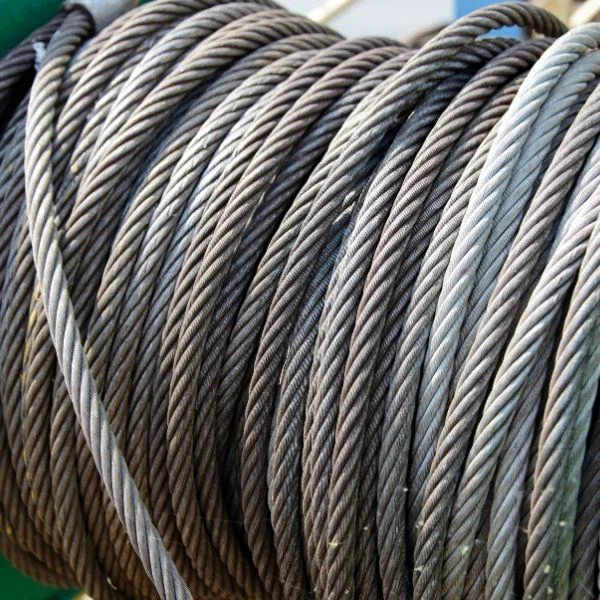
- Uneven spooling: Cables should wind cleanly around the drive shaft, not cross over themselves or bunch up.
- Loose or stretched cables: A cable that looks slack or uneven may not be carrying weight properly.
- Uneven lifting: If one side of the lift rises or lowers faster than the other, the cables should be checked.
- Unusual sounds: Popping, grinding, or screeching during operation can point to a problem that needs service.
If you notice any of these signs, stop using the lift until it can be inspected. Continuing to operate a lift with worn or damaged cables can make the problem worse.
Why Uneven Spooling Matters
Uneven spooling is one of the most important cable issues to watch for. When cables do not wind properly, the lift may not distribute weight evenly. This can cause one side to move differently than the other or create added strain on the lift system.
A cable that is crossed, bunched, or winding at an angle may continue to operate for a while, but that does not mean it is safe to ignore. Over time, uneven spooling can damage the cable and may affect other components of the lift.
If you see cables that are not winding cleanly, do not try to force the lift through another cycle. Stop operating it and schedule a repair visit so the issue can be inspected before it becomes a larger problem.
When Should Boat Lift Cables Be Replaced?
There is no one-size-fits-all replacement timeline for every boat lift cable. How long cables last depends on the lift, the environment, how often the lift is used, the weight it carries, and how well the system is maintained.
That said, visible damage is always a reason to take action. If cables are frayed, rusty, kinked, stretched, or spooling unevenly, they should be inspected by a professional. The same is true if the lift has started moving unevenly or making unusual sounds during operation.
It is also important to remember that cable wear may not always be fully visible from the outside. Saltwater environments can cause cables to rust and fray internally over time. Routine inspections help catch these problems before they lead to bigger repairs.
Schedule Cable Service Before It Becomes an Emergency
Worn boat lift cables are not something to put off. Since they help carry the weight of your boat, damaged cables can create safety concerns if they continue to weaken. Replacing worn cables before they fail can help prevent damage to your boat, dock, and lift system.
At F & S Lift Pro, cable replacement is one of our common repair services. Our team repairs and maintains existing boat lifts for residential docks, commercial facilities, community association docks, and local marinas throughout the greater Wilmington area. We can inspect your lift, identify cable wear, and safely replace damaged cables when needed.
If your boat lift cables look frayed, rusty, loose, or uneven, do not wait for the problem to get worse. Book a service visit online or contact F & S Lift Pro to schedule boat lift cable repair.