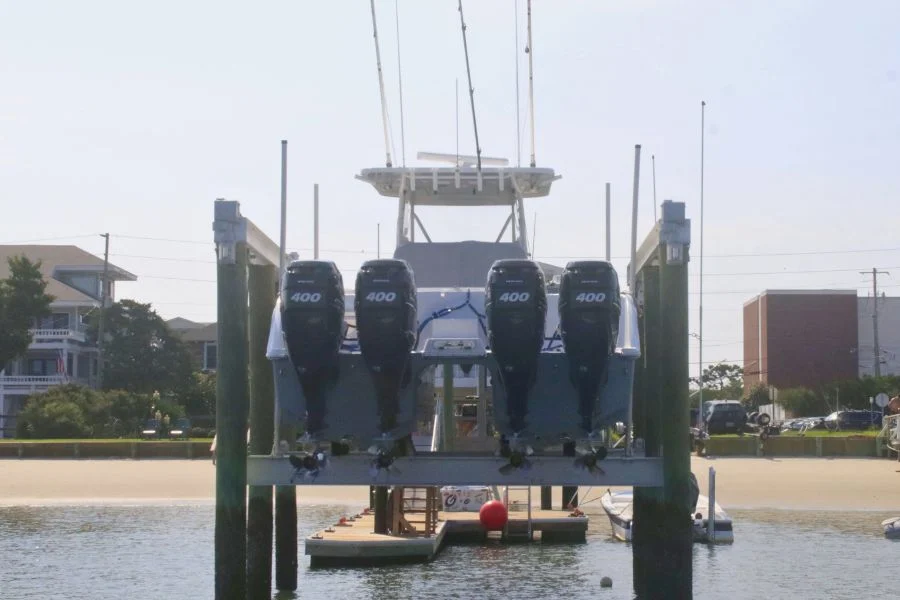
Common Boat Lift Problems and How to Fix Them
Published October 2, 2026
Boat lifts are built to handle regular use, but problems can still develop over time. Salt air, moisture, heavy loads, worn parts, and electrical issues can all affect how a lift performs.
Some problems can be traced to simple maintenance needs, while others require professional repair. Knowing the warning signs and a few basic troubleshooting steps can help you identify what may be wrong, determine what you can safely check, and know when it is time to call for service.
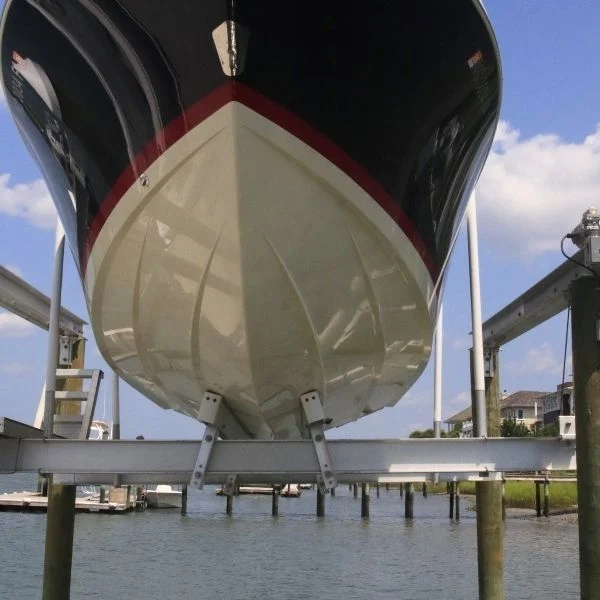
1. Boat Lift Won’t Raise or Lower
A lift that won’t move is often dealing with a power, control, motor, or gearbox issue. F&S Lift Pro services failed motors, drum switches, limit switches, auto-stop systems, and remote-control boxes such as GEM Remotes.
Troubleshooting Tips:
Avoid opening electrical components or attempting wiring repairs while the system is energized. If the motor hums but the lift doesn’t move, F&S recommends stopping operation and scheduling service.
2. The Lift Is Squeaking or Grinding
Grinding, squeaking, or other unusual noises often point to a lack of lubrication, worn bearings, misaligned components, or problems with the motor or gearbox.
Marine-grade grease and proper lubrication can help with routine wear, but loud or persistent noises should not be ignored.
Troubleshooting Tips:
Persistent noises can be a sign that parts are wearing against each other and need professional attention.
3. The Boat Lift is Stalling Under Weight
If a lift operates normally when empty but slows or stalls with the boat on it, the system may be overloaded or struggling to lift the weight.
Troubleshooting Tips:
Continuing to operate an overloaded lift can put additional strain on the cables, motor, gearbox, and other components.
4. Boat Lift Cables Are Frayed or Corroded
Boat lift cables are especially vulnerable to saltwater, moisture, and regular wear. Even stainless-steel cables can eventually corrode or weaken in coastal conditions.
Troubleshooting Tips:
Fraying, rust, broken strands, kinks, or cables that are not winding correctly are all signs that service may be needed. In the Wilmington saltwater climate, F&S generally recommends replacing stainless steel lift cables every two to four years, depending on use and maintenance.
5. The Boat Lift Is Raising Unevenly
If one side of the lift rises faster than the other, the problem may involve cable alignment, improper tension, or the condition of the pilings.
Troubleshooting Tips:
Uneven lifting can also put additional strain on cables and other components. A professional inspection can help correct the alignment and identify any worn parts before more damage occurs.