How Coastal Conditions Damage Boat Lifts and When to Schedule Repairs
Published October 1, 2026
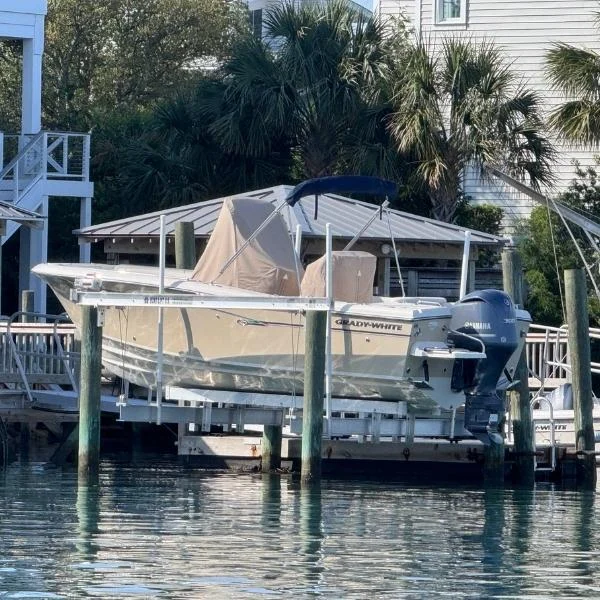
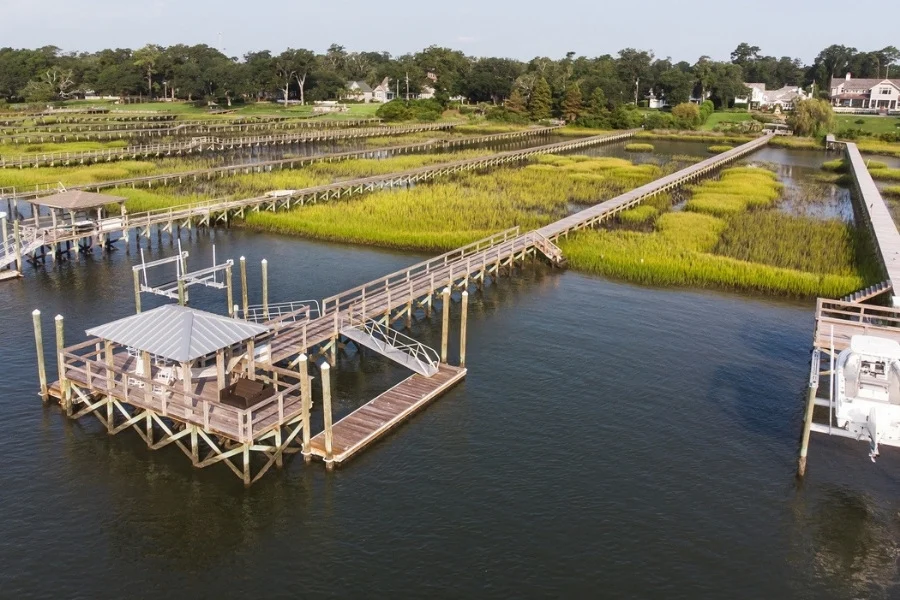
Owning a boat lift on the North Carolina coast comes with real advantages. You can keep your boat out of the water between trips, protect the hull from marine growth, and have it ready to launch without a trip to the ramp. But those same waterfront conditions that make coastal living worth it are also working against your lift every single day.
Salt air, tidal movement, storm exposure, and heavy seasonal use put constant stress on boat lift systems. The damage doesn’t always happen all at once. It builds up over time, quietly wearing down cables, corroding metal components, and straining motors until something finally gives out. Understanding how coastal conditions affect your lift makes it easier to catch problems early and avoid the repairs that come with letting things go too long.
Salt Air and Saltwater Exposure
Salt is the most persistent threat to any boat lift operating along the North Carolina coast. It doesn’t matter whether your lift sits on a private dock in Wrightsville Beach or a commercial slip along the Wilmington waterfront. Salt air is everywhere, and saltwater gets into everything.
Metal components corrode faster in a saltwater environment than in freshwater. Cables fray and weaken. Pulleys and hardware develop rust and surface corrosion that gradually affects how smoothly everything operates. Electrical components and motor housings are vulnerable too, especially on lifts that don’t get regular service checks.
The corrosion process is slow, which is part of what makes it dangerous. A cable that looks fine on the surface may have internal wear that only shows up under load. A pulley that spins freely today might seize up mid-season if corrosion has been building underneath. Routine maintenance is the most reliable way to catch these issues before they cause a breakdown or, worse, a failure while your boat is on the lift.
Tidal Movement and Structural Stress
The tides along Wrightsville Beach and the surrounding Intracoastal Waterway create constant movement at the dock. That movement puts repeated stress on lift components, particularly the cables, drive systems, and connection points that hold everything in place.
Every time the tide shifts and a boat settles differently in the cradle, the lift system absorbs that load. Over time, that repeated stress leads to cable stretch, hardware loosening, and wear on the motor and drive components. Lifts that operate in high-tidal-range areas tend to show wear faster than those in calmer, more protected locations.
If your lift has started running slower than it used to, making grinding or clicking noises, or lifting unevenly from one side to the other, tidal stress on the mechanical components is often part of the story. These aren’t issues that fix themselves. They need a professional inspection and, in most cases, some level of repair to get the system back in proper working order.
Storm Season and Weather Damage
Coastal North Carolina sits in the path of Atlantic hurricane season, and even storms that don’t make direct landfall can cause serious damage to waterfront structures and boat lift systems. Storm surge, high winds, and wave action can shift lift components, snap cables, damage motors, and knock cradles out of alignment.
Even milder tropical systems put stress on lifts that aren’t built to handle surge and debris. After any significant weather event, a post-storm inspection is a smart move. Damage that isn’t visible from the dock can still affect how the lift operates and whether it’s safe to use.
Heavy Seasonal Use
Spring and summer along the North Carolina coast mean heavy boat traffic, frequent launches, and lift systems running on a regular cycle. For many waterfront homeowners and marina operators, the lift goes from minimal winter use to daily operation almost overnight.
That shift in use intensity puts real load on motors, cables, and mechanical components that may have been sitting idle for months. A lift that seemed fine at the end of last season may show its wear quickly once regular use kicks back in. Slow operation, unusual sounds, and uneven lifting are all common early-season complaints that point to components that need attention.
Scheduling a maintenance check before peak season starts is one of the easiest ways to avoid a breakdown when you need the lift most. Catching worn cables, low-performing motors, or corrosion buildup in the spring beats dealing with a stuck lift on a Saturday morning in July.
When Damage Becomes a Repair
Not every issue requires an immediate repair call, but some do. If your lift is completely stuck, making loud mechanical noises, lifting with a noticeable tilt, or showing visible cable damage, those are signs that the system needs professional attention before you use it again.
Continuing to run a damaged lift risks making the problem worse and puts your boat at risk. A frayed cable under load, a motor pushing through a mechanical problem, or a pulley that’s partially seized can all fail suddenly and without much warning.
F & S Lift Pro handles boat lift repair for residential and commercial clients throughout the Wilmington area. Common repairs include cable replacement, motor repair, pulley and hardware service, switch and control issues, and general troubleshooting for lifts that aren’t operating the way they should. If the lift isn’t working right, the team can inspect the system, identify the problem, and complete the repairs needed to get it running again.